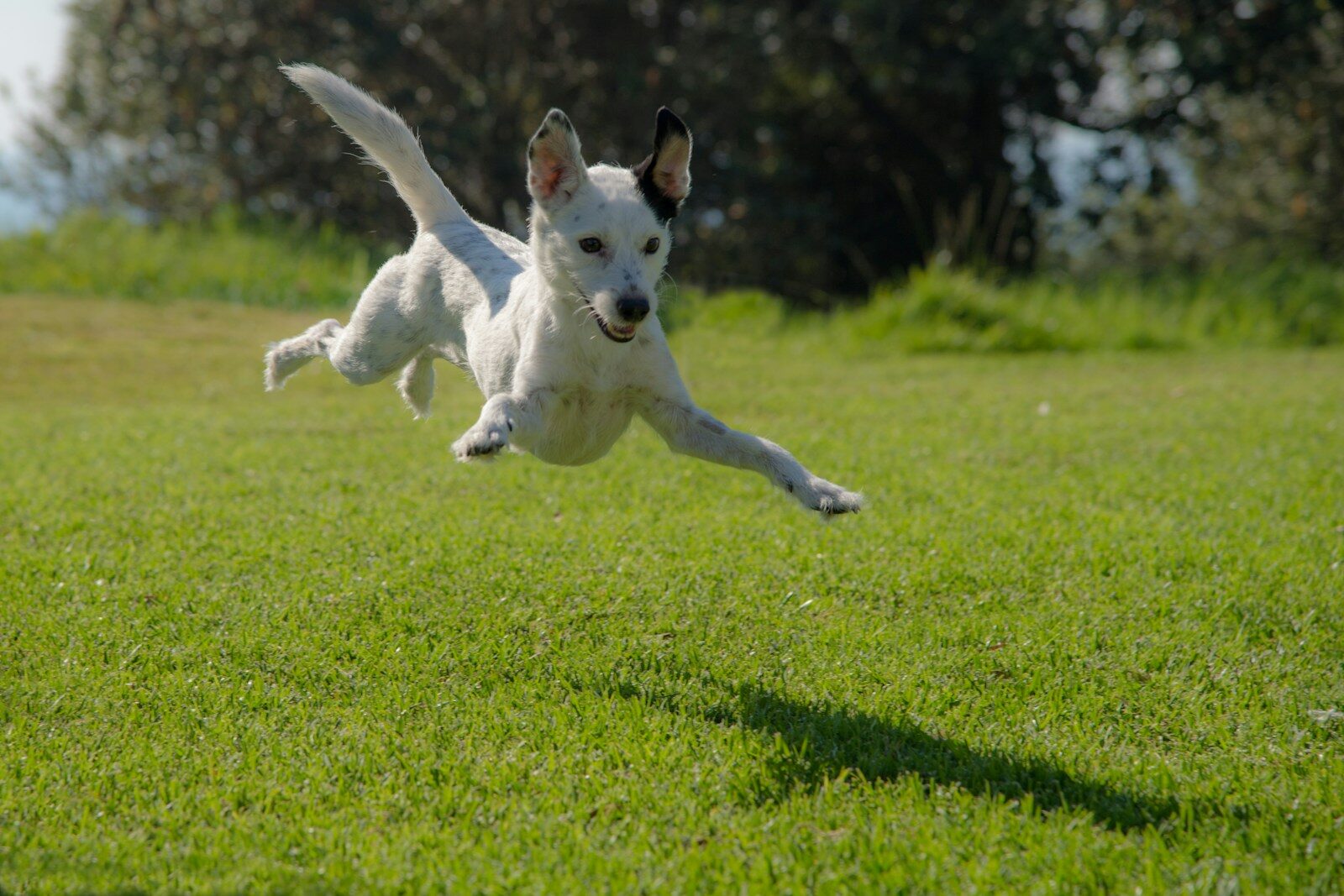

It’s one of the most common questions pet parents wrestle with before any trip: should I board my dog or hire a pet sitter?
Both options have genuine merit. Both have real limitations. And the honest answer — which most comparison articles are reluctant to give — is that it depends on your dog, your circumstances, and the specific quality of each option available to you.
This guide will walk you through both options clearly and honestly, covering the real advantages and disadvantages of each, so you can make the decision that’s actually right for your dog rather than the one that sounds easiest or cheapest in the moment.
What Is Dog Boarding?
Professional dog boarding means your dog stays overnight at a dedicated facility staffed by trained professionals. Quality boarding facilities provide structured daily routines, supervised play groups, professional health monitoring, and consistent care from people who work with dogs every day.
A Dog’s Way Inn in Murrells Inlet is a professional boarding facility serving the Myrtle Beach area, with structured programming, supervised play, grooming services, and a staff that knows every dog in their care.
What Is Pet Sitting?
Pet sitting means someone — either a professional pet sitter or a trusted friend or family member — comes to your home to care for your dog while you’re away, or takes your dog into their home for the duration of your trip.
In-home sitters typically provide feeding, walks, and companionship. House sitters stay overnight in your home. Home-boarding sitters take your dog to their own residence.
The Case for Professional Dog Boarding
Consistent, Professional Care Around the Clock
A professional boarding facility has trained staff present throughout the day, with oversight during overnight hours. Medications are administered on schedule. Health changes are noticed promptly. Emergency protocols are established and practiced.
This level of accountability is difficult to replicate with individual pet sitters, even excellent ones. When a boarding facility is responsible for your dog, the entire operation — its reputation, its staff, its licensing — backs that responsibility.
Socialization and Enrichment
Your dog’s days at a quality boarding facility are not spent waiting for your return. They are spent in supervised play groups with compatible dogs, enrichment activities, outdoor time, and interaction with professional staff.
For social, high-energy, or easily bored dogs, boarding is not just adequate care — it’s a genuinely positive experience. Many dogs are visibly excited when they recognize the drive to their boarding facility.
Structured Routine
Facilities like A Dog’s Way Inn operate on consistent daily schedules — specific times for feeding, play, rest, and outdoor time. This predictability is psychologically stabilizing for most dogs. Anxiety is lower when the rhythm is consistent.
Health and Emergency Protocols
Professional facilities have established relationships with veterinary providers, documented emergency procedures, and staff trained to recognize health concerns. If something goes wrong with your dog at 2 AM, a quality boarding facility has a plan.
Availability and Reliability
Professional boarding facilities don’t cancel. They don’t have family emergencies the day before your trip. They don’t forget to show up. For travelers who can’t afford uncertainty in their dog care arrangements, the reliability of a professional facility is significant.
The Case for Pet Sitting
The Home Environment
The strongest argument for pet sitting — particularly in-home pet sitting — is that your dog stays in their own environment. For dogs with severe separation anxiety, strong home attachment, or genuine social difficulties with other dogs, the comfort of familiar surroundings can genuinely outweigh the benefits of professional care.
A dog who panics in new environments and is highly sensitive to change may do better with a trusted pet sitter in the home, even if that sitter lacks professional training.
One-on-One Attention
A pet sitter caring for your dog alone provides singular, undivided attention. There’s no play group to navigate, no new dogs to meet, no facility sounds to adjust to. For shy, elderly, or medically complex dogs who don’t need social activity, this focused care can be ideal.
Better for Non-Social Dogs
Dogs who genuinely dislike other dogs — not leash-reactive dogs who would benefit from socialization, but dogs with established dog-to-dog aggression — are poor candidates for boarding in group settings. For these dogs, a pet sitter is often the more appropriate choice.
The Honest Limitations of Each Option
Boarding Limitations
- Requires adjustment: Dogs who have never boarded need a transition period. A trial daycare visit before the first overnight is strongly recommended.
- Group environment isn’t right for every dog: Dogs with significant anxiety in new places or genuine aggression toward other dogs may not thrive in traditional boarding.
- Quality varies enormously: “Dog boarding” covers everything from a professional resort to an inadequate kennel. The standards, supervision ratios, and facility quality matter tremendously. Vetting the facility before you book is essential. (See our April post: What to Look for in a Safe Dog Boarding Facility in Murrells Inlet.)
Pet Sitting Limitations
- Quality varies enormously: This limitation applies equally here. The gap between a professional, insured, trained pet sitter and a neighbor’s teenager saying yes to extra cash is enormous. Vetting individual sitters is harder than vetting established facilities with documented track records and reviews.
- Limited oversight: A pet sitter visiting twice daily is not present during most of your trip. Health changes, accidents, and behavioral incidents can go unnoticed for extended periods.
- Cancellation risk: Individual sitters cancel. Family emergencies, illness, and simple unreliability are genuine risks with individual providers — particularly important for travelers with tight itineraries.
- No enrichment for high-energy dogs: A twice-daily sitter visit does not meet the exercise and stimulation needs of active, social dogs. Boredom and destructive behavior during unsupervised hours are common.
- Security concerns: Giving home access to individuals — particularly those found through apps — carries inherent risk that using an established facility does not.
Side-by-Side Comparison
| Factor | Professional Boarding | Pet Sitting |
| Consistency of care | High — staffed facility, set protocols | Variable — depends entirely on individual |
| Social enrichment | High — supervised play with other dogs | Low to none |
| Home comfort | Lower — new environment | High — familiar environment |
| Health monitoring | High — trained staff, ongoing observation | Variable — periodic visits only |
| Emergency preparedness | High — established protocols | Variable |
| Reliability | High — professional operation | Variable — cancellation risk |
| Best for active/social dogs | Excellent | Poor to adequate |
| Best for anxious/home-attached dogs | May require adjustment | Often better fit |
| Best for dog-selective dogs | Requires evaluation | Often better fit |
| Cost | Predictable daily rate | Variable |
How to Decide
Use this framework to guide your decision:
Choose professional boarding if your dog:
- Is social and enjoys other dogs
- Has high energy or activity needs
- Does well in new environments after a short adjustment
- Would benefit from enrichment and structured activity during your absence
- Is on medications requiring consistent administration
Consider pet sitting if your dog:
- Has severe separation anxiety that is environment-specific (not a separation anxiety diagnosis generally — those dogs need behavior modification, not just a sitter)
- Has genuine, established aggression toward other dogs
- Is elderly, medically fragile, or recovering from surgery and needs minimal stress
- Has very strong home attachment and performs dramatically better in familiar spaces
Either way: Vet your provider thoroughly. For boarding, visit the facility, ask about staffing ratios, vaccination requirements, and emergency protocols. For pet sitting, check references, confirm insurance and training, and do a trial visit before your trip.
A Dog’s Way Inn: The Boarding Choice for Murrells Inlet Pet Owners
For the majority of dogs — social, active, adaptable, and in good health — professional boarding at A Dog’s Way Inn provides a level of care, enrichment, and reliability that individual pet sitting cannot match.
We know that leaving your dog is never fully easy. Our job is to make it as close to easy as possible — for both of you.
📍 761 Pendergrass Ave., Murrells Inlet, SC 29576 📞 (843) 357-4545 🌐 adogswayinn.com