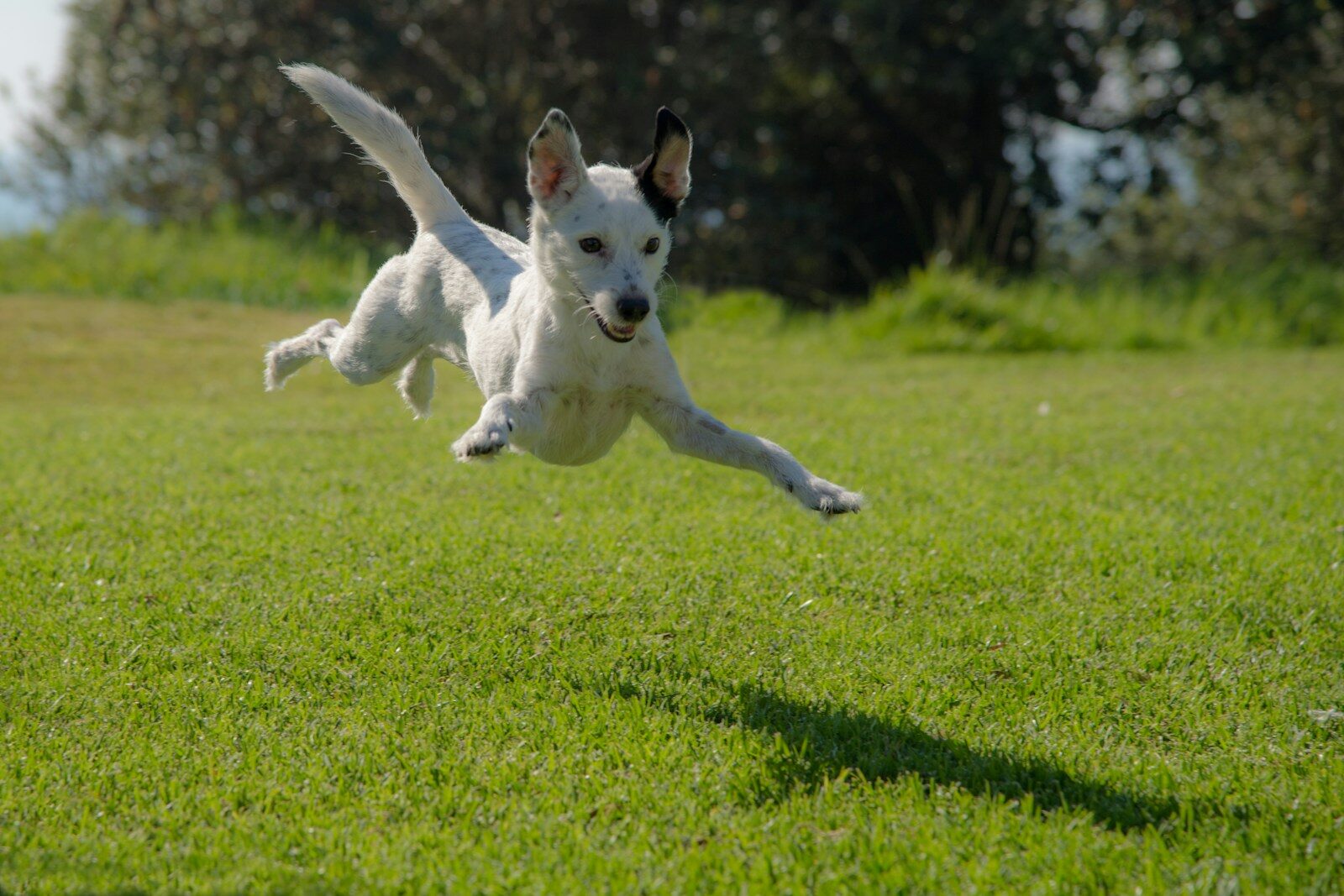

Every dog is different. Some are natural social butterflies who thrive in the company of other dogs — and some need a more gradual approach. The question pet parents ask us most often isn’t “what is doggie day care?” It’s a more personal one: is daycare actually right for my dog?
It’s a genuinely good question. Daycare is not a one-size-fits-all solution, and a thoughtful answer depends on knowing your specific dog. But for a very wide range of dogs — from energetic puppies to anxious adults, from high-drive athletes to dogs who are simply alone too much — doggie day care in Murrells Inlet at A Dog’s Way Inn can be genuinely transformative.
Here are the clearest signs your dog would benefit.
Sign 1: Your Dog Is Destructive When Left Alone
This is the most common reason pet parents first consider daycare — and it’s one of the most reliable indicators that a dog needs more than their current life is providing.
If you come home to chewed furniture, shredded cushions, overturned trash cans, or excavated carpeting, your dog is not being spiteful. They are bored, under-stimulated, and coping with unmet needs the only way available to them.
Destructive behavior is almost never a discipline problem. It’s a math problem: energy in, minus energy out, equals whatever’s left over. When the “left over” bucket is too full, dogs find ways to empty it.
Daycare solves this at the source. A dog who has spent the day running, playing, and engaging with other dogs has no surplus energy looking for an outlet at home. They eat their dinner and sleep — contentedly and deeply.
Sign 2: Your Dog Is Home Alone for Long Periods
Dogs are social animals descended from pack-living ancestors. Extended solitary confinement — even in comfortable homes — is genuinely stressful for most dogs, particularly those with social, active personalities.
A dog who spends 8–10 hours a day alone is not thriving, even if they aren’t visibly destructive. Signs of isolation stress that are easy to miss include:
- Excessive sleeping that transitions immediately into hyperactivity when you arrive home
- Shadowing you relentlessly when you’re present — separation anxiety building slowly
- Loss of interest in toys or activities that used to engage them
- Subtle behavioral changes like increased clinginess or attention-seeking
Two to three days of daycare per week for a dog who is otherwise home alone creates a meaningful shift — more activity, more social interaction, more mental stimulation, and a rhythm that makes the solo days more sustainable.
Sign 3: Your Dog Gets Overly Excited or Reactive Around Other Dogs
This one surprises people. Surely a dog who struggles around other dogs isn’t a good candidate for daycare?
It depends on the nature of the behavior. Many dogs who react on-leash — lunging, barking, straining — do so not because they dislike other dogs, but because the leash creates frustration and their social skills are underdeveloped from lack of exposure. These dogs are often highly social underneath the leash reactivity, and structured, well-supervised daycare can be exactly what they need.
At A Dog’s Way Inn, we conduct a meet-and-greet evaluation with every new dog before placing them in a group. Dogs who need gradual introductions get them. Dogs who need smaller or calmer groups are placed accordingly. Our 25+ separate yards give us the flexibility to create exactly the right match.
Daycare will not fix genuine dog aggression — but for dogs whose reactivity is rooted in frustration and under-socialization, regular positive group experiences produce real, lasting improvement.
Sign 4: Your Dog Has Endless Energy That You Can’t Match
Some dogs — particularly working breeds, sporting breeds, and high-drive mixed breeds — have energy requirements that are genuinely difficult for even active pet parents to satisfy. You can walk them for an hour and they’re ready for more within twenty minutes.
If you recognize this pattern, it’s not a reflection of your commitment. It’s a reflection of your dog’s heritage. These breeds were developed for sustained physical and mental work — and they need outlets that match those needs.
Daycare provides peer play — running, chasing, wrestling, and social engagement with other dogs — that burns energy at a rate and quality that human-to-dog interaction simply cannot replicate. The combination of physical exertion and social complexity produces a quality of tired that even the most dedicated owner struggles to achieve with walks and fetch alone.
Sign 5: Your Dog Loves Other Dogs
Sometimes the answer is simple. If your dog lights up when they see other dogs, strains toward them on walks, and plays joyfully whenever they get the chance — daycare is not a solution to a problem. It’s just the right environment for who they are.
Dogs who are genuinely social thrive in daycare not because they needed fixing, but because they are living according to their nature. These are often the easiest daycare transitions — dogs who arrive on their first day and immediately belong.
Sign 6: You Feel Guilty About Your Dog’s Activity Level
Guilt is a signal worth paying attention to. If you regularly find yourself thinking “my dog needs more than I’m giving them” — walks cut short by busy schedules, outdoor time reduced by work, social interaction limited to weekend visits — that instinct is probably right.
Daycare is not an admission of failure. It’s a practical, professional solution that fills genuine gaps with genuine care. Pet parents who use daycare consistently describe a shift in how they feel about their dogs’ quality of life — and in how their dogs behave at home.
Signs Daycare Might Not Be the Right Fit Right Now
Honesty matters here. Daycare is not ideal for every dog in every situation:
Severely dog-aggressive dogs: Dogs with a history of unprovoked attacks on other dogs need behavioral intervention before group settings are appropriate. We’ll tell you this honestly at the meet-and-greet.
Dogs who are ill or recovering from surgery: Boarding or daycare is not appropriate for dogs who are actively unwell. Rest and veterinary care come first.
Extremely fearful dogs with no social experience: Some dogs need confidence-building through individual work before group settings are beneficial. We can discuss whether a gradual introduction plan through our program is appropriate.
When in doubt, the best answer is a conversation.
How to Get Started
Every new dog at A Dog’s Way Inn begins with a meet-and-greet evaluation — a low-pressure introduction that lets us assess your dog’s temperament, identify the right play group placement, and make sure daycare is genuinely the right fit.
From there, most pet parents start with two or three days per week and adjust based on their dog’s response and their own schedule.
📍 761 Pendergrass Ave., Murrells Inlet, SC 29576 📞 (843) 357-4545 🌐 adogswayinn.com
Call us to schedule a meet-and-greet — Murrells Inlet’s trusted doggie day care near Myrtle Beach.