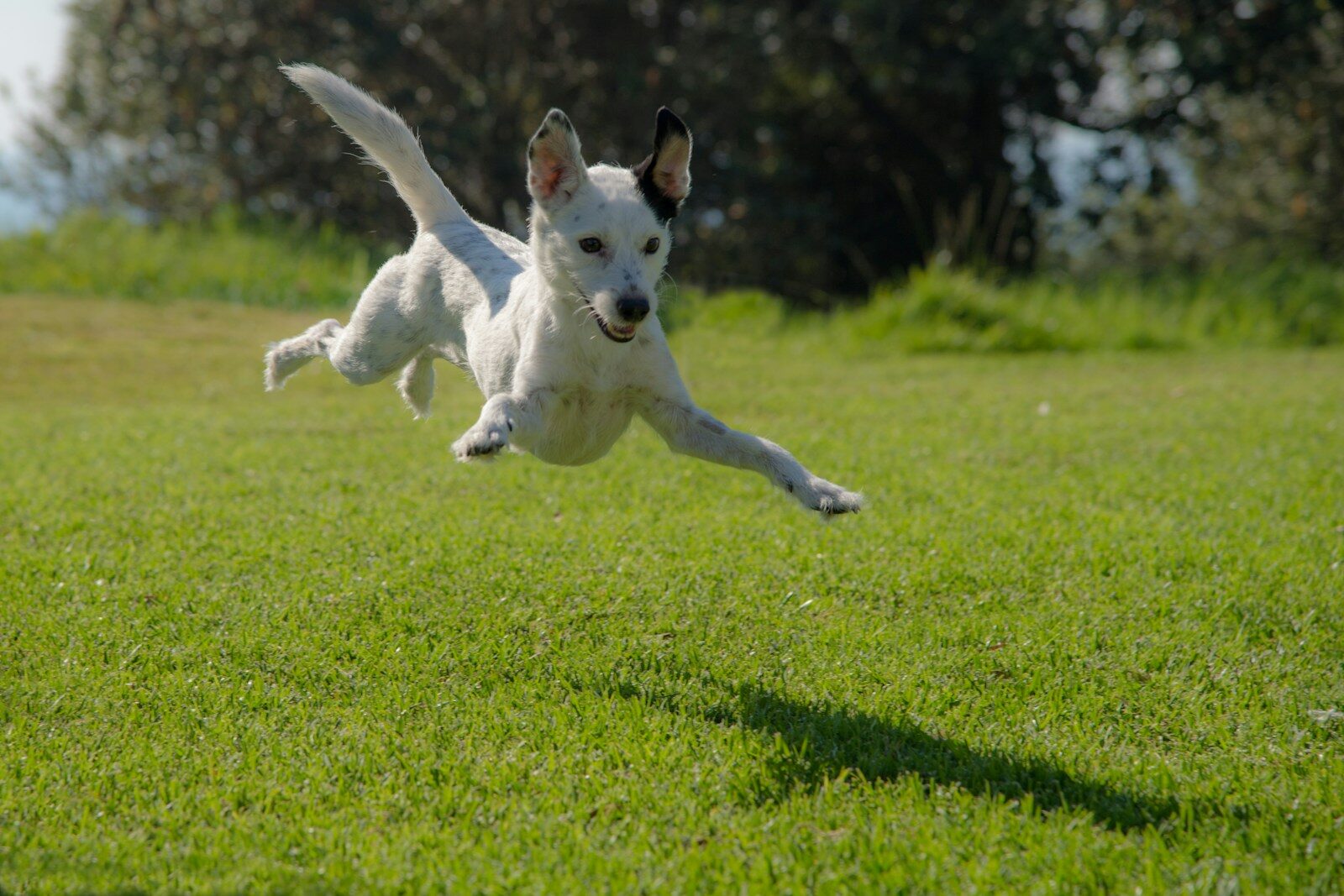

Winter brings crisp air, cozy sweaters, and sometimes icy sidewalks—but it can also mean restless pups and reduced outdoor playtime. At A Dog’s Way Inn, we understand that maintaining your dog’s physical activity and mental enrichment during colder months is essential for their overall health and happiness. When the temperature drops and daylight grows shorter, dogs still crave stimulation, movement, and companionship. With a little creativity and preparation, you can keep your furry friend active, engaged, and safe all winter long.
Why Winter Activity Matters
Just like humans, dogs thrive on routine and need consistent exercise to support their health. When daily walks get shorter due to freezing temperatures or snow-covered sidewalks, dogs may experience boredom or excess energy that can lead to problem behaviors such as chewing, barking, or restlessness. Regular physical activity helps manage weight, maintain joint mobility, and reduce anxiety. It also reinforces your bond through shared play and training.
Beyond physical benefits, maintaining mental stimulation during winter is just as important. Dogs are naturally curious and intelligent—they benefit from challenges that use their noses, brains, and senses, not just their legs. A well-balanced winter routine blends gentle exercise with enrichment activities to keep both body and brain in top form.
Creating Indoor Play Opportunities
When outdoor time becomes limited, indoor play can fill the gap. Luckily, it doesn’t take a large space to keep your dog busy inside your home. Start by designating a safe play zone where furniture or sharp objects won’t pose a risk during games.
Try rotating your dog’s toys regularly to encourage engagement. Puzzle feeders, treat-dispensing toys, and snuffle mats are great examples of interactive items that make your dog work for rewards. These encourage natural foraging instincts while occupying their mind. You can also create your own indoor agility course—use chairs as tunnels, broomsticks as jumps, or couch cushions as soft landing zones.
Games like hide-and-seek can also mentally and physically stimulate your dog. Have your dog sit and stay while you hide somewhere in the house, then call their name and reward them when they find you. This taps into their natural scenting abilities and strengthens recall training.
If you have hardwood floors or limited space, consider a game of gentle tug-of-war or short indoor fetch using soft toys to avoid damage or injury. Be mindful of the intensity so your dog stays interested but not overwhelmed.
Mental Enrichment That Beats Cabin Fever
When winter weather keeps you indoors more often, mental enrichment is your secret weapon for a happy dog. Teaching new tricks is one of the best ways to challenge your pup’s mind. Even if your dog knows the basics, winter is the ideal time to practice advanced skills or reinforce training with positive rewards.
Introduce new verbal cues, hand signals, or scent recognition games. Dogs love to use their nose, and simple scent-based exercises—like hiding treats under cups or teaching them to find specific toys—provide hours of indoor entertainment. Brain games aren’t just fun; they also tire your dog out as much as a vigorous outdoor walk might.
For dogs who get anxious when stuck inside, calming activities like chewing on long-lasting treats or stuffed toys can help them unwind. Licking mats coated with peanut butter or yogurt are soothing and can keep your dog occupied while you work or relax.
If your lifestyle allows, consider arranging playdates with other friendly dogs. Social interaction is another form of enrichment that alleviates boredom and nurtures confidence. Dog daycares, like A Dog’s Way Inn, often offer supervised indoor play environments where pups can burn energy safely, even when it’s freezing outside.
Short, Safe Outdoor Adventures
Even in cold weather, short bursts of outdoor activity remain important. The key is to keep these outings brief, safe, and mindful of your dog’s comfort. Check the temperature before heading out—generally, if you need a heavy coat, your dog may need one too, especially smaller breeds or those with thin or short fur.
A waterproof or insulated dog jacket can help maintain body warmth. Dog booties are also recommended for extreme conditions, as they protect paws from ice, salt, and frostbite. If your dog isn’t used to them, introduce the gear gradually inside with praise and treats.
Limit walks to well-cleared sidewalks or grassy areas to avoid slipping hazards. Always rinse and dry your dog’s paws after walking to remove any salt or deicing chemicals that could irritate their skin or cause digestive issues if licked.
Short outdoor play sessions—like a quick fetch game or scent-based hunt—offer fresh air and a change of scenery. Even a few minutes outside can energize your dog and help maintain routine without overexposure to the elements.
Adjusting Exercise Routines Safely
Every dog’s tolerance for cold is different, so adjust accordingly. Younger, active breeds like Labradors or Huskies can handle cooler weather better than smaller or older dogs. Keep a close eye on body language—shivering, lifting paws, or reluctance to continue walking are signs it’s time to head back inside.
Whenever possible, schedule outdoor activities during midday when temperatures are highest and sunlight is strongest. Natural light helps regulate your dog’s circadian rhythm and mood, which can prevent seasonal lethargy.
If your dog has joint issues, arthritis, or respiratory conditions, check with your veterinarian before adapting exercise routines. Warm-up and cool-down periods are just as valuable in winter as in summer. A brief indoor warm-up—like stretching or gentle tug—can help prepare muscles for outdoor activities.
Bringing Nature Inside
If your dog misses the scents of the outdoors, bring the outside in. Collect pinecones, leaves, or snow in a clean container for supervised sensory exploration. The variety of textures and smells can mentally enrich your pup in a controlled indoor setting.
You can also set up a sandbox or dig box filled with shredded paper or dog-safe materials for dogs who love to dig. This redirects natural instincts into a safe, fun form of activity that doesn’t involve your yard or carpet.
Supporting Health Through Nutrition and Routine
Physical activity and diet are deeply connected, especially during winter when calorie needs may change. Some dogs expend less energy when outdoor exercise decreases, meaning portion control becomes more important to prevent weight gain. Conversely, highly active or working dogs may need slightly more calories to stay warm and energized.
Feed your dog high-quality food with balanced protein, healthy fats, and essential nutrients to support their skin and coat during dry, cold months. Hydration also matters—heating systems can cause dehydration, so ensure fresh water is always available.
Regular grooming is another often-overlooked part of winter wellness. Brushing promotes circulation, removes loose fur, and distributes natural oils that protect against dryness. Keep nails trimmed to improve traction on slippery surfaces.
When to Try Indoor Dog Facilities
If you live in an area with harsh winter conditions, indoor dog facilities like A Dog’s Way Inn can be a game-changer. Our warm, supervised play areas offer dogs the chance to interact, exercise, and burn energy safely. From agility equipment to spacious indoor runs, these environments ensure your pup stays fit, even when the weather doesn’t cooperate.
Boarding and daycare programs also help prevent separation anxiety and destructive behavior. Dogs thrive on social engagement, and a consistent routine helps them feel secure—something especially valuable when their outdoor world shrinks during winter.
Key Takeaways
- Regular exercise supports your dog’s physical and mental health year-round.
- Rotate toys and introduce enrichment activities to prevent indoor boredom.
- Keep outdoor walks short, safe, and protected from cold and ice.
- Adjust your dog’s diet and grooming routine to support winter wellness.
- Use indoor facilities or playdates for safe socialization and exercise.
Final Thoughts
Winter doesn’t have to mean downtime for your dog. With the right strategies, both of you can enjoy the season’s quiet moments while keeping energy levels balanced and spirits high. From indoor games to crisp outdoor strolls, every moment spent together nurtures health, happiness, and the bond you share.
At A Dog’s Way Inn, our mission is to keep your dog’s tail wagging no matter the temperature outside. With creativity, consistency, and care, you can make this winter one of adventure, comfort, and joy for your four-legged companion.